mobile circle

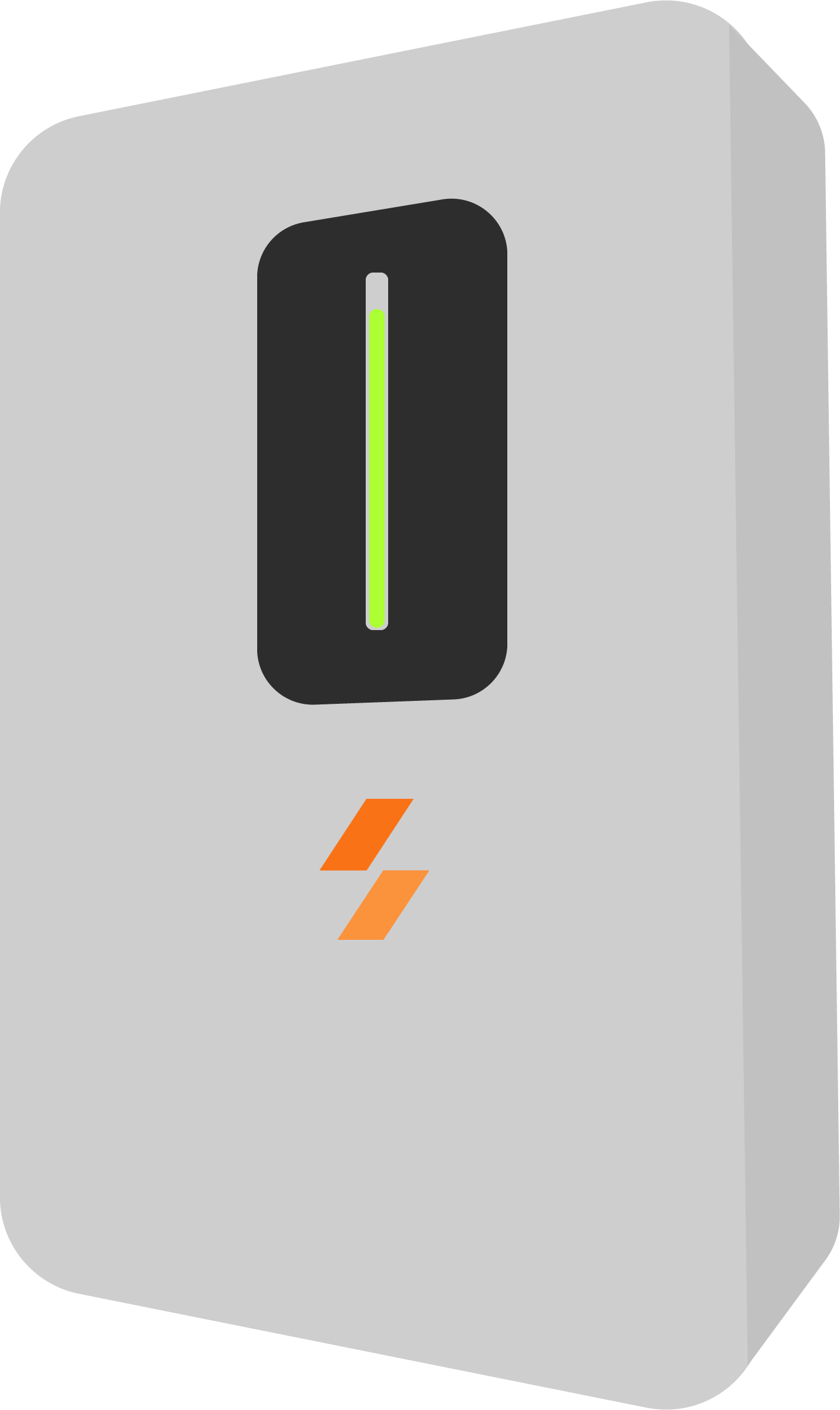
I am Yownec, your own energy controler

Start immediately with advice based on your household.

Start now

What is Yownec

In summary, the 24-hour energy model with dynamic pricing, solar panels, and a home battery system provides a sustainable and cost-effective way for homeowners to generate and use their own electricity. By taking advantage of solar energy and smart technology, this system helps to reduce dependence on the grid and minimizes energy cost.

So lets go!

Read more

Works with every provider.

Building icon

Always the cheapest energy.

Power icon

Better for the plannet.

Leave icon

From 0 to Yownec

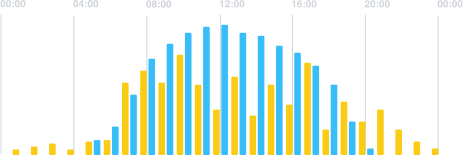
Typical sunny day without batteries

On a typical sunny day without batteries, the solar production refers to the amount of electricity generated by the building's solar panels. Solar panels use photovoltaic cells to convert sunlight into electrical energy. The amount of solar production depends on various factors such as the size and efficiency of the solar panels, the intensity of sunlight, and any potential shading or obstructions.

The solar production is typically used to power various electrical devices and systems within the building. This usage can include lighting, appliances, heating or cooling systems, electronics, and other electrical loads. The electricity generated by the solar panels is consumed in real-time, meaning it is used immediately as it is produced.

If the building does not have batteries or any other form of energy storage, any excess solar production that is not immediately used is typically not stored. Instead, it is either fed back into the electrical grid if the building is connected to it or simply goes unused. In situations where the solar production exceeds the building's demand, the excess electricity can be credited or compensated through net metering or other similar programs, depending on the local regulations.

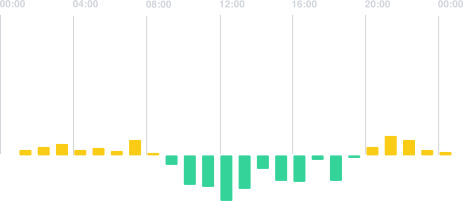
From and to the grid

During the day, when the solar production exceeds the usage in the building, the excess electricity is delivered back to the main grid, also known as the energy supplier. This process is commonly referred to as "net metering" or "feed-in tariff" depending on the local regulations and policies.

Net metering allows the building owner to receive credit or compensation for the excess electricity generated by their solar panels. The excess electricity flows back into the grid and is used by other consumers in the vicinity. The building owner's electricity meter may run backward or be credited with the excess energy, effectively offsetting their energy consumption from the grid.

At night or during periods when the solar production is insufficient to meet the building's electricity demand, the building will draw electricity from the main grid. In this case, the electricity meter will run forward, indicating the energy consumption from the grid.

Overall, the building owner benefits from the net metering arrangement as they can offset their energy consumption with the excess solar production during the day. This allows them to reduce their reliance on the main grid and potentially lower their electricity bills. The energy supplier benefits from receiving the excess electricity generated by the building's solar panels, which contributes to the overall energy supply in the area.

It's important to note that the specific details of net metering and the arrangements with the energy supplier can vary depending on the location and the local regulations and policies governing renewable energy. It's advisable to consult with the energy supplier or local authorities to understand the specific terms and conditions applicable to your situation

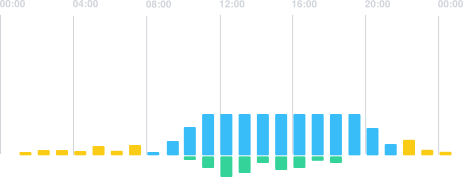
With 5 Kwh battery

During the day, when the solar production exceeds the usage in the building, the excess energy will be delivered to the 5 kWh battery for storage. The battery acts as a buffer, allowing the excess energy to be stored for later use. Once the battery is fully charged, any additional surplus energy beyond its capacity will be delivered to the main grid (energy supplier).

In the evening or during periods when the solar production is insufficient to meet the building's electricity demand, the stored energy in the battery will be utilized first. The building will draw electricity from the battery to cover its energy needs. When the battery's charge is depleted and cannot meet the demand, the building will then draw electricity from the main grid.

By utilizing the energy from the battery before resorting to the main grid, the building can maximize its reliance on stored solar energy and minimize its dependence on grid electricity. This can help reduce energy costs and increase self-sufficiency.

It's important to note that the specific operation of the battery system, including its charging and discharging algorithms, may depend on the type and configuration of the battery, as well as any associated energy management systems. Additionally, the availability and use of battery energy for self-consumption will depend on the building's electricity demand and the overall capacity and state of charge of the battery.

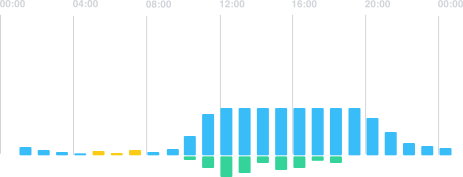
With 10 Kwh battery

During the day, when the solar production exceeds the building's energy usage, the excess energy will be directed to the 10 kWh battery for storage. As the battery charges, it will continue to absorb the surplus energy until it reaches its full capacity. Once the battery is fully charged, any additional excess energy will be sent to the main grid, effectively delivering it to the energy supplier.

In the evening and during the night, when the solar production is insufficient to meet the building's energy demand, the stored energy in the battery will be utilized first. The building will draw electricity from the battery, ensuring that the stored solar energy is consumed before relying on the main grid.

As long as the battery has sufficient charge, the building's energy needs can be met without drawing power from the grid. However, when the battery's energy level drops below a certain threshold or becomes empty, the building will switch to drawing electricity from the main grid to cover the remaining energy requirements.

By optimizing the use of stored solar energy from the battery, the building's reliance on grid electricity can be minimized. This reduction in grid usage can result in lower energy costs and potentially lead to a reduction in energy taxes, as the building is utilizing more self-generated renewable energy.

It's important to note that the actual reduction in grid usage and the resulting cost savings will depend on various factors, including the building's energy consumption patterns, the solar production capacity, and the efficiency of the battery system. Additionally, local regulations and energy tariffs can also affect the financial benefits associated with reducing grid usage.

In summary

A home or company with a battery system becomes more independent from the energy supplier by enabling greater self-consumption of solar energy and reducing reliance on the grid. The battery allows for energy to be stored and used at times when solar production is low or non-existent, such as during the evening or nighttime.

Furthermore, integrating a battery system with a dynamic pricing contract can provide additional benefits. With dynamic contracts, energy suppliers offer different hourly rates for electricity based on the time of day or other factors. By programming the battery system to optimize energy usage during periods with lower electricity prices, the installation can further reduce costs.

The battery system can be configured to automatically adjust its charging and discharging patterns based on the dynamic pricing information received from the energy supplier. The system can calculate and regulate energy flows to ensure that electricity is consumed when rates are low and stored in the battery when rates are high. This way, the most economical energy model can be programmed automatically, taking advantage of the lower-priced electricity periods.

By integrating a battery system with dynamic pricing, the installation can potentially achieve additional savings on energy costs. It allows for better alignment between energy consumption and pricing, enabling users to benefit from lower rates during off-peak hours or when renewable energy generation is high.

However, it's important to note that the specific details and availability of dynamic pricing contracts may vary depending on the location and energy supplier. It's advisable to consult with the energy supplier or a qualified energy advisor to understand the specific terms and conditions, as well as the potential benefits of such a pricing arrangement in your area.

Overall, combining a battery system with dynamic pricing can enhance the financial benefits of the installation, increase energy independence, and contribute to a more efficient and cost-effective energy management strategy.

News & Blog